

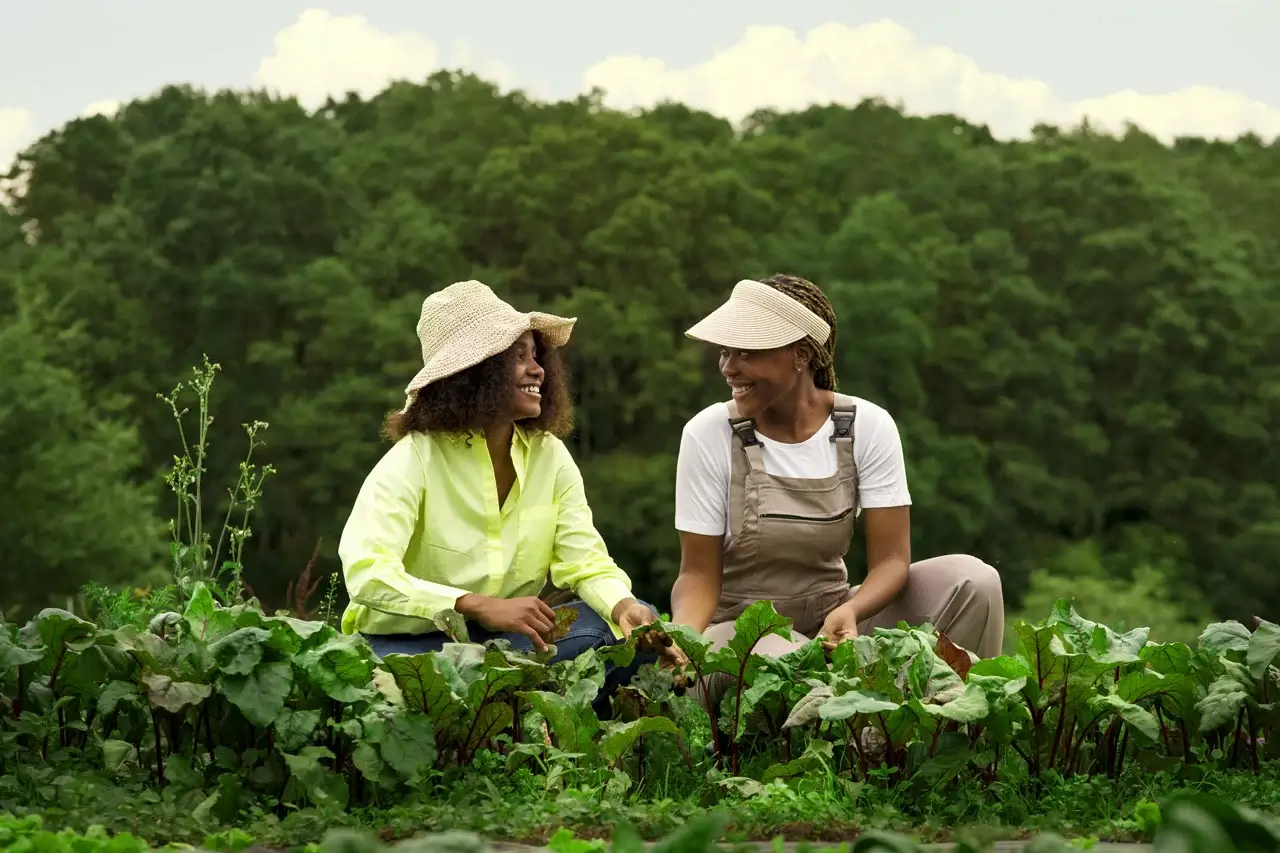
Nature-Based Farming
Nature-Based Farming focuses on working with natural processes to grow crops sustainably. By enriching soil, conserving water, and encouraging biodiversity, farmers produce nutritious food while protecting ecosystems. This approach reduces chemical use, enhances resilience, and maintains environmental balance. Connecting farming practices with the rhythms of nature ensures long-term productivity, healthier communities, and a thriving planet.
From Soil To Table
Organic Vegetables
Rooted in Nature
Organic Growth
Common Questions Answered
Smart Irrigation Systems
Why is organic produce considered healthier?
Organic produce is considered healthier because it’s grown without synthetic pesticides or fertilizers, retains more nutrients, supports gut health, and reduces exposure to harmful chemicals.
How do you maintain soil fertility naturally?
Soil fertility is maintained naturally by adding compost, rotating crops, planting cover crops, using organic mulch, and encouraging beneficial organisms to enrich and protect the soil.
What steps do you take to ensure sustainability?
To ensure sustainability, use organic practices, conserve water, rotate crops, protect biodiversity, reduce chemical use, and maintain healthy soil for long-term productivity.
How do you control pests without chemicals?
Pests are controlled naturally by using beneficial insects, crop rotation, companion planting, physical barriers, and organic remedies, reducing chemical use while protecting crops and the environment.